



Hip Osteoarthritis: Symptoms, Causes and How to Relieve Hip Pain
Hip osteoarthritis is one of the most common joint diseases of the hip, especially after the age of 50. It is a degenerative condition that affects the cartilage of the hip joint, leading to pain, stiffness and reduced mobility. Understanding what hip osteoarthritis is, how it progresses and which treatments are available is essential to maintaining mobility and reducing the impact of this condition on daily life.
What is hip osteoarthritis?
Hip osteoarthritis is a form of osteoarthritis that affects the hip joint, resulting in the progressive wear of the cartilage that covers the head of the femur and the acetabulum. This cartilage acts as a cushion that allows the hip to move smoothly. When it deteriorates, the bones begin to rub together, causing pain and inflammation.
The condition may present unilaterally or as bilateral hip osteoarthritis when both hips are affected. In either case, progression is gradual but has a significant impact on mobility.
Hip osteoarthritis symptoms: how to recognise the signs
Symptoms of hip osteoarthritis evolve slowly and may initially be mistaken for muscle pain. The most common signs include:
Groin pain: Pain typically appears in the groin area and may radiate to the thigh, buttocks and knee.
Morning stiffness: Loss of mobility upon waking is one of the most common symptoms.
Difficulty with simple movements: Activities such as climbing stairs, sitting, standing up or walking longer distances become harder.
Clicking or grinding sensation: Cartilage wear can cause internal noises during movement.
Limping (gait alteration): Persistent pain often leads people to change the way they walk.
Causes of hip osteoarthritis
Hip osteoarthritis is multifactorial, but its main causes include:
Ageing – Natural joint wear increases with age.
Genetics – Family history increases the risk.
Obesity – Excess weight adds pressure to the hip joints.
Previous trauma or fractures – Injuries can damage cartilage and accelerate degeneration.
Congenital abnormalities – Conditions such as hip dysplasia may lead to early osteoarthritis.
Repetitive overload – Certain jobs and sports involving repeated movements can accelerate joint degeneration.
Stages of hip osteoarthritis
The progression of hip osteoarthritis is usually classified into four stages:
Stage 1 – Mild
Initial cartilage wear, occasional pain and minimal limitation.
Stage 2 – Moderate
More frequent pain, stiffness and early mobility loss.
Stage 3 – Advanced
Significant reduction of joint space, constant pain and difficulty walking.
Stage 4 – Severe
Complete cartilage degeneration, bone-on-bone contact and extreme hip limitation.
Identifying the stages of hip osteoarthritis helps determine the most appropriate treatment.
How is hip osteoarthritis diagnosed?
Diagnosis involves:
- clinical assessment
- observation of symptoms
- X-rays
- additional tests when needed
Radiographic imaging is essential to confirm wear and assess the degree of progression.
Hip osteoarthritis treatment
Treatment involves a combination of strategies aimed at relieving pain, improving mobility and slowing disease progression.
- Medication
Anti-inflammatories, painkillers and joint supplements are commonly recommended. - Physiotherapy
Helps strengthen the muscles that support the hip, improve balance and reduce joint overload. - Adapted exercise
Activities such as water aerobics, therapeutic Pilates or light walking help maintain mobility. - Weight loss
When necessary, it significantly reduces pressure on the hip joints. - Injections
May be indicated in cases of intense pain to reduce inflammation. - Surgery
In more advanced stages, a total hip replacement may be necessary.
How to relieve hip pain in daily life
Beyond clinical treatment, some strategies help reduce discomfort and improve mobility:
- Heat therapy: Relaxes the muscles and decreases stiffness.
- Using higher chairs: Prevents excessive hip flexion when sitting.
- Avoid sitting for long periods: Gentle movement reduces pain.
- Using mobility aids: Many people experience significant relief by redistributing body weight and reducing pressure on the hip. In cases of bilateral hip osteoarthritis or severe pain, using a walker or an adjustable cane can make walking easier and provide better stability. These mobility aids are available at Loja Ortopédica and help reduce pain by improving weight distribution.
Products that help daily life with hip osteoarthritis
Some devices can significantly improve mobility and reduce pain:
Adjustable cane
Improves stability while walking and reduces the load on the painful hip. It is especially useful when pain is unilateral or when limping begins. The adjustable aluminium cane from Loja Ortopédica is lightweight, practical and effective for daily use, helping reduce impact while walking.
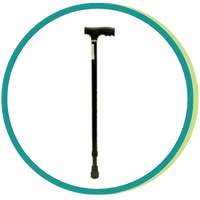
Adjustable Walking Cane in Aluminium
Fixed walker or 2-in-1 rollator
For those with greater mobility limitations, balance issues or bilateral hip osteoarthritis, the fixed aluminium walker and 2-in-1 rollator provide full support, allowing safer movement with less effort on the hip joints. This solution promotes stability and reduces the risk of falls, making it ideal for more advanced stages of the condition.
Healthcare professionals often recommend these mobility aids when there is severe pain, instability or difficulty walking long distances.
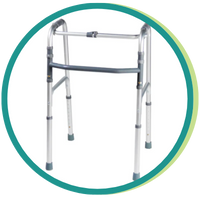
Fixed Aluminium Walker and 2 in 1 Rollator
Preventing hip osteoarthritis
Although it is not always possible to prevent its development, some measures help reduce the risk:
- maintaining a healthy weight
- practising regular exercise
- avoiding repetitive high-impact movements
- properly treating joint injuries
- strengthening the hip and lower-back muscles
These actions help preserve hip joint integrity over the years.
Living with hip osteoarthritis: maintaining quality of life
Hip osteoarthritis is a chronic condition, but with proper care it is possible to maintain autonomy and well-being. Combining medical treatment, adapted exercise, pain-relief strategies and the use of mobility aids helps reduce pain and significantly improve mobility.
The adjustable canes and aluminium walkers available at Loja Ortopédica are valuable allies for those who want to walk safely while protecting their hip joints.
No Comments