


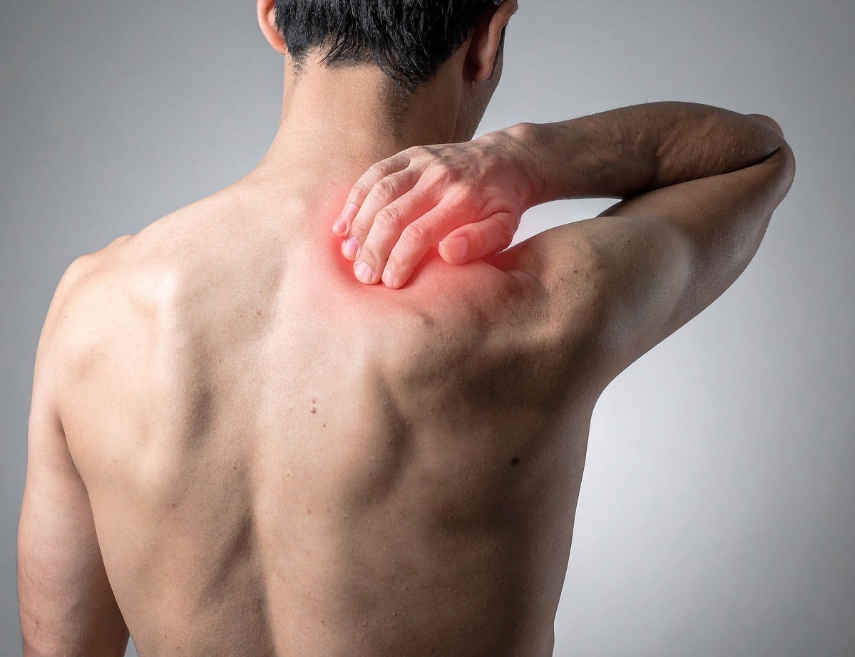
Learn How to Prevent and Treat a Muscle Spasm
A muscle spasm can occur after an intense workout, poor posture while working at a computer, lifting heavy objects incorrectly, or even after a bad night’s sleep. Although common, the discomfort can limit simple movements such as turning your neck, bending your back, or raising your arm.
In this article, we explain what a muscle contracture is, the most common symptoms, how to prevent it, and how to treat a muscle contracture safely with simple daily care measures.
What is a Muscle Spasm?
A muscle spasm occurs when a muscle remains contracted, stiff, and unable to relax properly. In simple terms, it is as if the muscle becomes “stuck” in a state of tension. This can cause localized pain, a feeling of tightness or knots, stiffness, and difficulty moving the affected area.
Unlike a more serious injury, a muscle spasm does not always involve torn muscle fibers. However, it should still be monitored carefully, especially if the pain is severe, develops after a fall or impact, or does not improve with basic care.
Muscle Spams Symptoms: Signs to Watch For
The main symptoms include pain in a specific area, stiffness, a hard or tight muscle sensation, tenderness when touched, limited movement, and sometimes pain that worsens with physical activity. Some people also notice a small “knot” or particularly sensitive spot.
There are several areas where muscle stiffness may occur. A lower back muscle contracture often causes pain in the lower back, difficulty bending forward, or trouble standing up after sitting for a long period. A shoulder blade muscle contracture may cause pain between the shoulder blade and spine, often related to poor posture. A shoulder muscle contracture can make it difficult to raise the arm, put on a jacket, or sleep on the affected side.
Seek medical advice if you experience tingling, loss of strength, swelling, fever, chest pain, shortness of breath, pain following an accident, or if symptoms do not improve after several days.
What Can You Do to Relieve a Muscle Spasm?
When pain appears, the first step is to reduce the activity that triggered it. Resting does not mean remaining completely inactive, but rather avoiding movements that increase discomfort. In many cases, gentle and gradual movement can help prevent additional stiffness.
If the pain developed after recent physical exertion, an impact, or suspected inflammation, applying ice during the first 48 hours may help. Always wrap the ice in a towel and apply it for short periods. For muscle contractures related to tension and stiffness without swelling, gentle heat may help relax the affected area.
Light massage can also provide relief, but it should be gentle. Avoid deep massage, aggressive stretching, or attempts to “crack” the painful area, as these may worsen the condition.
How to Treat a Muscle Spasm in Everyday Life
Understanding how to treat a muscle spasm involves combining several simple measures. Start by improving your posture, staying well hydrated, and taking regular breaks throughout the day. If you spend long hours sitting, stand up frequently, gently roll your shoulders, and adjust your screen height to avoid straining your neck.
Medications such as anti-inflammatory drugs or muscle relaxants should only be used under the guidance of a healthcare professional, especially if you take other medications, have stomach, heart, or kidney conditions, or are pregnant.
Recovery Time
Many people search for information about muscle spasm recovery time, but the answer depends on the affected area, pain intensity, age, activity level, and underlying cause. A mild muscle contracture may improve within a few days with relative rest and appropriate care.
The most important thing is not to return to strenuous activity too soon. Resuming exercise, lifting heavy objects, or repeating the posture that caused the pain may delay recovery and increase the likelihood of future contractures.
How Can You Prevent a Muscle Spasm?
Prevention starts with simple daily habits. Warm up before exercising, increase training intensity gradually, and allow adequate recovery time between workouts. At work, maintain a comfortable posture and change positions regularly.
It is also important to sleep in a position that does not place excessive strain on your neck, shoulders, or lower back. Suitable pillows, gentle stretching, and active breaks can make a significant difference, especially for people who experience recurring muscle tension.
Support for Relieving Muscle Discomfort
At Loja Ortopédica, you can find products that may help manage localized discomfort and promote greater everyday comfort. These practical solutions are useful to keep at home, allowing for a quick response when muscle tension, stiffness, or post-exercise discomfort occurs.
For Muscle Contractures in Different Areas of the Body

Universal Patches with FIR Techonology
The Universal Patches with FIR Technology are designed for use on various areas of the body, including the shoulders, neck, back, arms, legs, and other regions affected by muscle tension, stiffness, or localized discomfort.
Thanks to their versatile design, they are a practical option for those looking for complementary support across different parts of the body, helping provide a gentle warming sensation and enhanced comfort where applied.
On our website, you can also find specific patches designed for lower back and knee muscle contractures, offering more targeted support for these areas.
Thermal Support for Muscle Relaxation

Thermic Cherry Pit Pillow
The Thermic Cherry Pit Pillow is a versatile and reusable solution for applying localized heat to areas affected by muscle tension or discomfort. Heat can help promote muscle relaxation, reduce stiffness, and improve comfort, particularly during rest periods or after physical activity.
Creams and Balms for Home Care
Creams and Balms
Explore our range of creams and balms designed to support home care routines. These products can be used alongside gentle massage, helping to promote a feeling of relief, comfort, and muscle relaxation.
Benefits of FIR Technology
Patches featuring FIR technology, also known as Far Infrared technology, may provide practical support for relieving localized muscle and joint discomfort.
By creating a gentle and continuous warming sensation in the applied area, they can help promote muscle relaxation, reduce feelings of stiffness, and improve comfort during everyday activities.
They are a discreet, easy-to-use, and drug-free option that can complement regular care routines in cases of tension, overuse, or discomfort affecting the lower back, shoulders, back, knees, or other areas of the body.
However, they should always be used according to the manufacturer’s instructions and do not replace medical evaluation when pain is severe, persistent, or accompanied by other symptoms.
Conclusion
Muscle spasms are common and, in most cases, improve with relative rest, appropriate use of heat or cold, gentle movement, and correction of the factors that caused the tension. Nevertheless, listening to your body is essential. If the pain is severe, persistent, or accompanied by unusual symptoms, seek professional medical advice.
Addressing a muscle contracture early can help improve recovery, prevent recurrence, and allow you to return to your daily activities with greater comfort and confidence.
No Comments