



Deep Vein Thrombosis: Symptoms, Treatment, and Prevention
What is Deep Vein Thrombosis?
Deep vein thrombosis is a serious medical condition characterized by the formation of a blood clot (thrombus) in a deep vein, usually in the leg. This disease, known internationally as deep vein thrombosis, can often be silent but carries high risks, especially the possibility of the clot breaking loose and traveling to the lung, causing a pulmonary embolism—a potentially fatal complication.
Deep Vein Thrombosis: Symptoms to Watch For
Recognizing the symptoms of deep vein thrombosis early is essential to prevent serious complications. Key symptoms include:
- Persistent pain or a feeling of heaviness in the affected leg (most often in the leg, but it can occur elsewhere)
- Sudden or gradual swelling of the leg
- Redness or discoloration of the skin
- Warmth in the affected area
- In some cases, more visible and sensitive superficial veins
However, deep vein thrombosis does not always present obvious symptoms, especially in its early stages. For this reason, if you suspect DVT, it is crucial to seek immediate medical evaluation.
Deep Vein Thrombosis in the Leg: Risk Factors
Deep vein thrombosis in the leg is the most common manifestation. Risk factors include:
- Prolonged immobility, for example after surgery, injury, or long trips
- Advanced age
- Family history of thrombotic diseases
- Obesity
- Smoking
- Pregnancy and postpartum period
- Use of hormonal contraceptives or hormone replacement therapy
- Cancer, especially when associated with treatments such as chemotherapy
People with cancer are at increased risk, not only because of the disease itself but also due to the effects of treatment on the circulatory system.
How is Deep Vein Thrombosis Diagnosed?
Diagnosis of deep vein thrombosis should be performed by a healthcare professional. Common diagnostic tests include:
- Venous Doppler ultrasound – a non-invasive test that allows visualization of blood flow and detection of clots
- D-dimer test – a blood test to identify the presence of products from clot breakdown
- Additional imaging tests (CT or MRI) in specific situations
A thorough clinical evaluation should consider the patient’s history, reported symptoms, and individual risk factors.
Deep Vein Thrombosis: Treatment and Essential Care
Treatment for deep vein thrombosis depends on the severity, location of the clot, and associated patient conditions. The main goal is to prevent the clot from growing, avoid complications, and prevent recurrences. Main treatment options include:
1. Anticoagulation
Anticoagulant therapy is the foundation of treatment and may include:
- Low molecular weight heparins (administered by subcutaneous injection)
- Direct oral anticoagulants or vitamin K antagonists
The duration of treatment varies from 3 months to indefinite, depending on the risk factors.
2. Compression Stockings
Elastic compression stockings are essential in rehabilitation and prevention of complications such as post-thrombotic syndrome. In the acute phase, grade 3 stockings are recommended; later, grade 2 can be used.
Usually, a thigh-high stocking (AG) is indicated, but if the clot is located only in the lower third of the leg, knee-high stockings may be recommended. Some of the main options are:
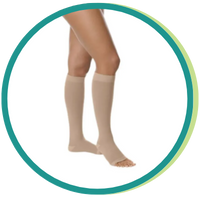
Elastic Sock Without Toe Cap AD 3411 or 3412 Juzo
Helps prevent the risk of thrombosis and improves circulation.
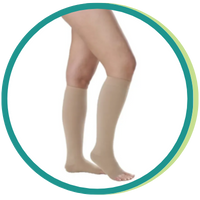
Compression Sock AD 3611 or 3612 Juzo
Indicated for support in chronic or progressive venous diseases.
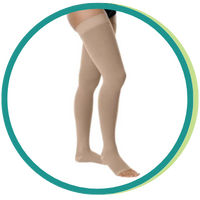
Elastic Sock Without Toe Cap AG 3411 or 3412 Juzo
Recommended for recovery after deep vein thrombosis.
3. Other Options
- Thrombolytic therapy (for severe cases, under hospital supervision)
- Inferior vena cava filter, in patients with contraindication to anticoagulation
Deep Vein Thrombosis: How to Prevent and Reduce Risk?
Preventing deep vein thrombosis is possible, especially in people with high risk. Here are some recommendations:
- Avoid prolonged periods of immobility – during long trips, try to stand up regularly and do foot and leg exercises
- Stay well hydrated
- Use compression stockings as recommended by your doctor
- Maintain a healthy weight and exercise regularly
- Stop smoking
- Control chronic conditions such as diabetes, hypertension, and dyslipidemia
- If you have cancer, follow medical advice carefully regarding DVT prevention
For those with a history of deep vein thrombosis, regular medical follow-up is essential.
Cancer and Deep Vein Thrombosis: Extra Attention Needed
People with cancer are at higher risk of developing deep vein thrombosis due to the hypercoagulability associated with cancer and its treatments. It is estimated that the risk is four to seven times higher compared to the general population. In these cases, a personalized prevention plan may be necessary, including close monitoring and, in some cases, preventive use of anticoagulants or compression stockings.
Deep vein thrombosis is a potentially serious condition, but it can be diagnosed and treated successfully, especially if identified early. Being alert to symptoms, knowing your risk factors, and focusing on prevention are essential steps to avoid complications.
If you have risk factors or suspect deep vein thrombosis, seek medical advice. The use of specialized compression stockings can be a valuable ally both in the acute phase and for preventing recurrences. Discover the recommended options at Loja Ortopédica.
No Comments