



Sciatica Pain: Hot or Cold?
What is Sciatica Pain?
Sciatica pain hot or cold is one of the most common questions among people suffering from inflammation or compression of the sciatic nerve. This pain, which can radiate from the lower back down to the legs, is often debilitating and may range from acute episodes to chronic conditions. Knowing when to use cold and when to apply heat is essential to reduce inflammation, relieve pain, and promote muscle relaxation.
Sciatica is caused by compression or inflammation of the sciatic nerve, the largest nerve in the human body. Symptoms include severe pain, burning sensations, tingling, or even muscle weakness in the legs. Common causes include herniated discs, lumbar stenosis, muscle contractures, and degenerative changes.
According to CUF, around 5 to 10% of people with lower back pain develop symptoms associated with the sciatic nerve. This makes it crucial to understand treatment options, from home remedies to specialized medical interventions.
Sciatica Pain: Hot or Cold?
The main question is: sciatica pain hot or cold? The answer depends on the stage of the pain and the desired effect. Both methods have benefits, but they should be applied at different times.
When to Use Cold (Cryotherapy)
Cold is recommended during the initial stages of sciatica pain, especially in the first 48 hours, when acute inflammation is present. Ice packs or cold compresses help to:
- Reduce inflammation
- Decrease swelling
- Relieve pain intensity
- Act as a natural anesthetic
Cold temporarily blocks nerve impulses, reducing pain perception and preventing inflammation from worsening.
Useful products for cold application:
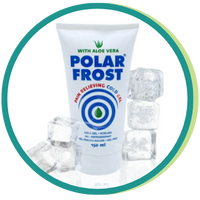
Polar Frost Cold Gel 150ml
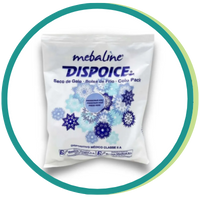
Instant Ice Pack
Practical for emergencies or on the go.
When to Use Heat (Thermotherapy)
Heat is recommended for chronic sciatica pain or when muscle stiffness is present. Heat therapy helps to:
- Relax muscles
- Increase blood flow
- Improve flexibility in the lumbar region
- Reduce stiffness and discomfort
Heat can be beneficial when sciatica pain is linked to muscle tension or spasms. It also supports recovery once the initial inflammatory phase has passed.
Useful products for heat application:
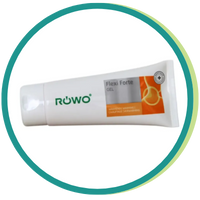
Flexi Forte Hot Gel with Harpago

Thermic Cherry Pit Pillow
Can You Alternate Between Hot and Cold?
Yes. In some cases, alternating between hot and cold therapy can be beneficial. A hot and cold compress can:
- Reduce inflammation (cold)
- Relax muscles and improve circulation (heat)
Alternating methods is recommended for persistent pain where both inflammation and stiffness are present. Always consult a healthcare professional before starting treatment to ensure the best approach.
Recommended product: Hot and Cold Gel Pack
How to Relieve Sciatica Pain in Daily Life
Beyond hot and cold therapy, other measures can support sciatica pain relief:
- Practice gentle stretches as recommended by a doctor or physiotherapist
- Avoid sitting for long periods
- Use ergonomic chairs with lumbar support
- Maintain a regular exercise routine tailored to your condition
- Take frequent breaks at work to stand and walk
- Seek medical and physiotherapy guidance
Healthy lifestyle habits, such as strengthening the abdominal and lumbar muscles, are key to reducing the recurrence of sciatica pain.
Inflamed Sciatic Nerve: What to Do?
When the sciatic nerve is inflamed, the first step is to identify the cause with medical guidance. Treatment may include:
- Prescribed anti-inflammatory medication
- Targeted physiotherapy sessions
- Muscle-strengthening exercises
- Hot or cold therapy depending on the stage of pain
- Postural correction techniques
Correct application of heat and cold can significantly reduce symptoms and speed up recovery. In addition, practices such as clinical Pilates or adapted yoga have shown benefits in improving flexibility and relieving symptoms.
Recommended Exercises and Stretches
Gentle exercises can complement hot and cold therapy in managing sciatica pain:
- Piriformis stretch: reduces pressure on the sciatic nerve
- Bridge exercises: strengthen the lower back and glutes
- Hamstring stretch: relieves tension in the back of the leg
- Gentle lumbar mobilizations: promote flexibility and pain relief
These exercises should always be guided by a physiotherapist or doctor to prevent strain or worsening pain.
When to Seek Medical Help?
It is important to seek medical care if:
- The pain is intense and persists for more than two weeks
- There is loss of strength in the leg or foot
- You experience difficulty controlling bladder or bowel movements
- Pain is accompanied by fever or unexplained weight loss
These signs may indicate more serious conditions that require specialized treatment.
Conclusion
The question of sciatica pain hot or cold does not have a one-size-fits-all answer. Instead, the choice depends on the stage of pain and the intended effect. In the first 48 hours, cold is the best option to reduce inflammation. Heat, on the other hand, is more effective for chronic pain or muscle stiffness, helping promote relaxation. In some cases, alternating between hot and cold may be beneficial.
The most important step is to listen to your body and seek medical advice for a comprehensive and effective treatment.
Invest in your recovery with practical hot and cold solutions available at Loja Ortopédica.
No Comments