



Ligament Tear: Causes, Symptoms and Treatments
A ligament tear is an injury that occurs when the fibres responsible for stabilising a joint are partially or completely torn. It happens frequently in the knee, foot and ankle, especially during activities that involve sudden changes of direction, impact or twisting movements. Understanding the causes, symptoms and treatment options is essential to restoring mobility and preventing future complications.
What is a ligament tear?
Ligaments are fibrous bands that connect bones and keep the joint stable. When subjected to excessive force, they can overstretch and become damaged. A ligament tear can be:
- Partial, when only part of the fibres are injured.
- Complete, when the ligament is fully torn.
Both situations affect joint stability and limit mobility.
Difference between sprain, strain and ligament tear
Although often used interchangeably, each term describes a different level of injury:
Sprain: A mild stretching of the ligament without significant tearing. Causes moderate pain and swelling.
Strain: A more intense stretch with micro-tears in the ligament tissue. Pain is stronger and functional limitation may occur.
Ligament tear: severe injury with partial or complete rupture of the fibres. The joint becomes unstable and pain is intense.
Most common causes of ligament tears
Several factors increase the risk of this injury:
- Sudden joint twists
- Poorly executed jumps
- Falls or direct impacts
- Rapid changes of direction during sports
- Lack of muscle conditioning
- Inappropriate footwear
- Uneven surfaces
The combination of instability and overload is usually what triggers a ligament tear.
Symptoms of a ligament tear
Symptoms usually appear at the moment of injury and may include:
- Sudden, intense pain
- Inability to bear weight
- Rapid swelling
- Bruising
- Sensation of instability
- A popping sound at the moment of the tear in some cases
Symptom severity varies according to the joint and the extent of the tear.
Most common types of ligament tears
Knee ligament tear
A knee ligament tear is one of the most frequent and may involve the Anterior Cruciate Ligament (ACL), the Posterior Cruciate Ligament (PCL) or the collateral ligaments. It typically occurs in sports with quick directional changes.
For stabilisation and support during recovery, the Ligastrap Strap System Ligament Knee Brace helps control excessive movement and provides greater security when walking.
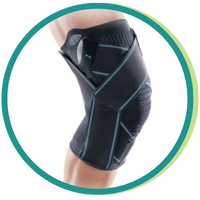
Ligastrap Thuasne Ligament Knee Bracket
Ankle ligament tear
An ankle ligament tear usually occurs after a twist and is common in running, jumping or stepping incorrectly. The joint becomes painful, unstable and has difficulty bearing weight.
For support and compression, the Levamed Active Elastic Ankle Support helps stabilise the ankle and reduce discomfort while walking.
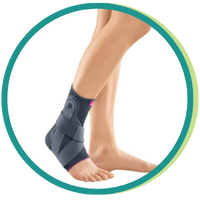
Elastic Ankle Support Brace for Sprains Levamed Active
Foot ligament tear
Foot ligament tears often happen when the joint is forced sideways or after a fall. Swelling and difficulty walking are common symptoms.
For effective immobilisation, the MEDI Fixed Short Inflatable Walker Boot provides rigid support, movement control and safety throughout recovery.
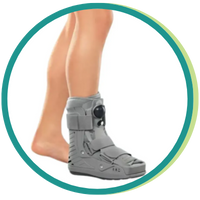
Medi Short Inflatable Fixed Walker Boot
How to treat a ligament tear
Treatment varies according to the severity of the injury and the affected joint. The main options include:
Immobilisation
Immobilisation is essential in the early stages of recovery, preventing movements that could worsen the ligament tear. Splints, walker boots and support systems help reduce pain and control inflammation.
Orthoses
Appropriate orthoses reduce instability and provide protection during healing. They can be used from the initial phase through to returning to daily activities.
Recommended products based on the joint affected:
- Knee ligament tear: Ligastrap Ligament Knee Brace
- Ankle ligament tear: Levamed Active Elastic Ankle Support
- Foot ligament tear: MEDI Fixed Short Inflatable Walker Boot
Physiotherapy
Physiotherapy aims to:
- Restore joint mobility
- Strengthen the muscles that stabilise the joint
- Improve balance
- Prevent new injuries
Progressive exercises help restore movement and function, and are essential for a full recovery.
Anti-inflammatory medication
May be prescribed to reduce pain and inflammation, especially in the first few weeks. Should always be used under medical supervision.
When is surgery necessary?
Surgery may be required when:
- The tear is complete
- There is significant displacement
- The joint is severely unstable
- Conservative treatment shows no improvement
- The injury prevents essential activities
In severe cases, ligament reconstruction is the most common surgical technique.
How long does a ligament tear take to heal?
Recovery time depends on the severity of the injury:
- Mild (partial) tears: 4 to 8 weeks
- Moderate tears: 2 to 3 months
- Severe or complete tears: 4 to 6 months
- Post-surgery: 6 months to 1 year, depending on the joint
Proper rehabilitation and the use of orthoses accelerate recovery and reduce the risk of reinjury.
Final considerations
A ligament tear is a serious injury that affects joint stability and comfortable movement. Proper diagnosis and treatment are essential to prevent complications and restore full joint function. The combination of immobilisation, specific orthoses, physiotherapy and inflammation control allows for gradual and safe recovery. In more severe cases, surgery is an effective solution for restoring stability.
Support devices such as the Ligament Knee Brace, the Levamed Active Ankle Support and the MEDI Inflatable Walker Boot offer additional protection during healing, contributing to a more comfortable and successful recovery.
No Comments