



Ear Surgery: Recovery After Otoplasty (Prominent Ear Correction)
What is ear surgery (otoplasty)
Ear surgery, or otoplasty, is a cosmetic and reconstructive procedure designed to correct the shape, position, or size of the ears. It is especially sought after by people with prominent ears — a condition in which the ears protrude more noticeably from the head.
This procedure is suitable for both children (from around 6 or 7 years old, when the ear is fully developed) and adults who wish to improve facial harmony and self-confidence.
Otoplasty is one of the most common plastic surgeries worldwide, and advances in surgical techniques have made it increasingly safe, delivering natural results with almost invisible scars.
When ear surgery is recommended
This type of ear surgery may be recommended in various situations, such as:
- Prominent ears (protruding from the head);
- Asymmetry between the ears;
- Deformities caused by trauma or previous surgery;
- Excess or lack of ear cartilage.
In many cases, the decision to undergo ear surgery goes beyond aesthetics — it can significantly improve psychological well-being, especially when the shape of the ears causes insecurity or social discomfort.
How ear surgery is performed
The procedure is usually carried out under local anesthesia with sedation for adults and general anesthesia for children. The operation typically lasts between 1 and 2 hours, depending on the case.
During surgery, a small incision is made behind the ear to access the cartilage. The surgeon then reshapes the cartilage to bring the ear closer to the head and correct misalignment.
Scars are discreetly hidden behind the ear, ensuring a natural and aesthetic result.
Recovery after ear surgery
Recovery from ear surgery is relatively quick but requires specific care to ensure optimal healing and avoid complications.
During the first few days, it is common to experience mild discomfort, swelling, or sensitivity around the operated area. It is essential to follow medical advice, including the use of a facial compression band that helps maintain the new ear position during the healing process.
A widely recommended product by surgeons is the Bliss Post-Surgery Facial Band, available at Loja Ortopédica.
Bliss Post-Surgery Facial Band: essential for recovery
The Bliss Post-Surgery Facial Band is a key accessory for successful recovery after ear surgery. Made with soft, elastic materials, it ensures gentle and controlled compression, helping to:
- Reduce swelling and pain;
- Maintain the correct ear position;
- Prevent cartilage displacement;
- Accelerate healing;
- Protect the operated area during sleep.
The band is adjustable and can be worn both day and night. Its ergonomic design adapts to different head shapes, ensuring comfort and security.
Use of the Bliss Facial Band is recommended for the first two to four weeks after surgery, according to medical guidance.
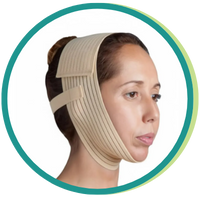
Bliss Post Surgery Facial Band
Before and after ear surgery: what to expect
Results from ear surgery become visible soon after the initial dressings are removed. The ears appear more balanced and aligned with the face.
However, the final outcome is only fully visible after several weeks, once swelling has completely subsided and the cartilage has stabilized.
Before-and-after photos of ear surgery often show not only physical improvement but also a boost in self-esteem and confidence.
Essential postoperative care
To ensure smooth recovery and avoid complications, follow these recommendations:
- Wear the facial band continuously during the first weeks;
- Avoid sleeping on your ears for the first few days;
- Refrain from intense physical activity until your doctor allows it;
- Protect the area from impact or pulling (for example, avoid headphones);
- Attend all follow-up appointments to monitor progress.
Following these steps carefully is crucial to achieving a long-lasting and natural aesthetic result.
Tips for better sleep after ear surgery
During recovery, proper rest is vital to promote healing and prevent unwanted pressure on the ears. Finding a comfortable sleeping position can be challenging, especially in the first few weeks after ear surgery.
To ensure a more comfortable recovery, follow these tips:
- Sleep on your back, avoiding pressure on the sides of your head for at least two weeks;
- Use an ergonomic pillow that keeps your neck properly aligned and reduces pressure on the operated area;
- Avoid pillows that are too high or firm;
- Keep your head slightly elevated to reduce swelling and improve circulation.
A highly recommended product for this period is the Orthia Evolution Pillow. Made with high-quality memory foam, it adapts to the natural curvature of the neck and head, providing ideal support and superior comfort.
Its anatomical design helps maintain proper posture during sleep, avoiding pressure on the ear area — an essential precaution after ear surgery.
Using the Orthia Evolution Pillow can make a significant difference in rest quality and postoperative recovery, contributing to faster and safer healing.
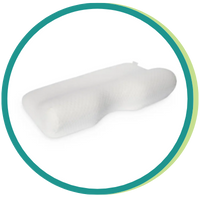
Orthopedic Evolution Pillow Orthia
Benefits of ear surgery
Ear surgery offers a range of physical and emotional benefits:
- Improved facial proportion and symmetry;
- Enhanced self-confidence;
- Natural and permanent results;
- Virtually invisible scars;
- Fast and safe recovery.
Many patients report a significant improvement in their appearance and emotional well-being after the procedure.
Ear surgery: a subtle change with a big impact
Although a simple procedure, ear surgery can transform both appearance and emotional health. Beyond the aesthetic benefit, it represents a step toward greater self-confidence and facial harmony.
During recovery, proper care of the operated area is essential. The Bliss Post-Surgery Facial Band provides the ideal support for a safe, comfortable, and effective healing process.
At Loja Ortopédica, you’ll find this and other postoperative support products designed to ensure comfort, quality, and excellent results.
No Comments