



What Is Morton’s Neuroma: Tips for Walking Without Pain
Feeling a sharp pain in the sole of the foot, as if you were stepping on a stone, can turn a simple walk into an uncomfortable experience. One possible cause is Morton’s neuroma, a condition that affects a nerve in the foot and can cause pain, burning, tingling or numbness.
Although it may develop gradually, the discomfort tends to worsen when there is repeated pressure on the front part of the foot, especially while walking or wearing unsuitable footwear.
In this article, we explain what Morton’s neuroma is, which signs you should look out for and which solutions may help you walk more comfortably.
What is Morton’s neuroma?
Morton’s neuroma is a thickening of the tissue around a nerve in the foot, usually between the third and fourth toes. This happens when the nerve becomes irritated or compressed, causing pain in the front part of the foot, also known as the forefoot.
Despite the name, many people wonder: is Morton’s neuroma a tumour? In most cases, it should not be understood as a tumour in the common sense of the word. It is mainly a thickening or inflammation of the nerve tissue, caused by repeated pressure or irritation.
This condition is more common in people who wear tight shoes, narrow-toed shoes or high heels, as this type of footwear increases pressure on the front part of the foot.
Morton’s neuroma symptoms: how to identify them
The main Morton’s neuroma symptoms usually appear while walking, standing for long periods or wearing tight footwear. The most common signs include:
- Burning pain in the sole of the foot, especially between the toes;
- The feeling of having a stone or small lump inside the shoe;
- Tingling or numbness in the toes;
- Pain that worsens when walking and improves when removing the shoe or massaging the foot.
Visible swelling is not always present. For this reason, it is common to feel significant discomfort without seeing any obvious changes in the foot. If the pain persists, you should consult a healthcare professional to confirm the diagnosis and rule out other causes, such as fractures, joint inflammation or tendon problems.
A proper diagnosis is important to understand the source of the pain and choose the most suitable solution for each case.
How to treat Morton’s neuroma
Knowing how to treat Morton’s neuroma depends on the intensity of the symptoms and how the condition progresses. In many cases, the first step is to relieve pressure on the nerve. This can be done by choosing suitable footwear, using insoles, reducing activities that worsen the pain and, when recommended, taking medication or following treatments prescribed by a doctor.
When talking about Morton’s neuroma treatment, it is important to start with simple, conservative measures. These options aim to reduce compression in the forefoot and improve comfort when walking.
Footwear for Morton’s neuroma: what should you choose?
Footwear for Morton’s neuroma should be chosen carefully to reduce pressure on the front part of the foot. When choosing shoes, prefer:
- Wide toe box, to give the toes space and avoid compression;
- Low heel, to reduce pressure on the forefoot;
- Comfortable and stable sole, to help maintain good support while walking;
- Good cushioning, to reduce impact when walking;
- Models with laces or adjustable straps, as they allow the shoe to adapt better to the shape of the foot throughout the day;
- Enough space for the toes to move naturally, without being squeezed.
You should avoid shoes that are too narrow, rigid, pointed or high-heeled, as they may increase pressure on the nerve and worsen symptoms.
At Loja Ortopédica®, you can find barefoot footwear options, which may be interesting for those looking for more space around the toes and a more natural gait. This type of footwear has a wider toe box, allowing the toes to be less compressed, which may help reduce pressure on the forefoot.
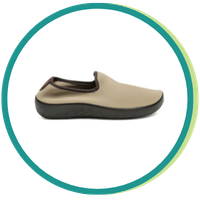
Barefoot Shoes
For greater comfort, it may be useful to combine barefoot shoes with a metatarsal pad with toe loop, which helps protect the front part of the foot and reduce localised pressure while walking.

Metatarsal Pad with Ring
Insole for Morton’s neuroma: can it help?
An insole for Morton’s neuroma can help reduce pressure on the front part of the foot and make walking more comfortable. Options with metatarsal or retrocapital support are generally the most suitable, as they help distribute weight more evenly and reduce compression on the nerve.
When there are changes such as flat feet, high arches or excessive pronation, custom insoles may be more appropriate, as they adapt better to the shape of the foot.
Insoles with forefoot cushioning may also be useful, such as the Orthopaedic Insole for Calcaneal Spur Fasciitis, which helps improve comfort while walking.
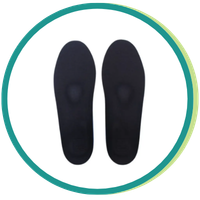
Orthopedic Insole for Calcaneal Spur Fasciitis
To complement comfort, you may also consider podiatry products for the toes, such as the 5-toe gel separator with pad, especially if there is pressure between the toes, friction or discomfort caused by footwear.

5 Gel Toe Separator with Cushion
When is medical treatment necessary?
If changes in footwear and the use of insoles are not enough, the doctor may recommend other treatments, such as physiotherapy, anti-inflammatory medication, corticosteroid injections or local anaesthetic injections. These options should always be assessed by a professional, according to the symptoms and the condition of the nerve.
Morton’s neuroma surgery is generally considered only when conservative treatments do not work or when the pain significantly limits daily life. It may involve relieving pressure on the nerve or removing the affected tissue. The decision should be made with an orthopaedic doctor or a foot and ankle specialist.
Tips for walking with less pain
In addition to the recommended treatment, some routines may help: wearing comfortable shoes every day, avoiding high heels, alternating rest periods with movement, applying cold when there is pain after effort and choosing socks without tight seams. If you run or go on long walks, temporarily reduce the intensity until you understand what triggers the pain.
Avoid ignoring persistent pain. Walking with discomfort for a long time may change the way you support your foot and cause compensations in other areas, such as the ankles, knees or spine.
Conclusion
Morton’s neuroma can be uncomfortable, but many people are able to relieve symptoms with simple choices, such as changing footwear, using a suitable insole and reducing pressure on the front part of the foot.
If you are looking for how to treat Morton’s neuroma, start by observing your shoes and the support you give your feet. At Loja Ortopédica, you can find comfort solutions that may help in everyday life, always taking care to choose products suited to your needs.
No Comments