



Sleep Stages: Understand the Cycles and Improve Your Sleep Hygiene
Getting good sleep is essential for physical, mental, and emotional health. Sleep is not just a moment of rest but an active process that involves different sleep stages, each with specific functions in the body. Understanding these stages helps highlight the importance of sleep quality and identify habits that promote more restorative rest.
In this article, we will explore the main sleep stages in detail, including REM sleep, the traditional concept of the 5 sleep stages, and answer a common question: how long does each sleep stage last? We will also discuss the importance of sleep hygiene, with practical suggestions and product recommendations that can support better nighttime well-being.
What are the sleep stages?
Sleep is a complex physiological process divided into cycles that repeat throughout the night. Each cycle is composed of distinct stages, characterized by different brain activity patterns, heart rate, and breathing rhythms.
Broadly speaking, sleep is divided into two main categories:
- NREM sleep (Non-Rapid Eye Movement): includes three stages (N1, N2, N3).
- REM sleep (Rapid Eye Movement): marked by intense brain activity and the most vivid dreams.
A full sleep cycle lasts on average 90 to 120 minutes, repeating 4 to 6 times during the night.
The 4 main sleep stages
According to the latest classification by the American Academy of Sleep Medicine (AASM), sleep is divided into 4 primary stages (not 5, as traditionally described). These are grouped into two categories: NREM sleep (N1, N2, N3) and REM sleep.
1. Stage N1 – Transition between wakefulness and sleep
- The initial phase, characterized by very light and brief sleep.
- Marks the transition from wakefulness to sleep.
- Muscles begin to relax.
- Involuntary movements (such as twitches) may occur.
- Lasts only a few minutes.
2. Stage N2 – Light sleep
- The body gradually disconnects from the environment.
- Heart rate and breathing slow down.
- Body temperature drops slightly.
- This is the longest stage, accounting for about 50% of total sleep.
3. Stage N3 – Deep sleep
- Represents deep sleep, essential for physical recovery and strengthening the body.
- Increased production of hormones linked to growth and cellular repair.
- Muscle and tissue regeneration.
- Memory consolidation and immune system reinforcement.
- Waking up in this stage can cause disorientation and fatigue.
4. Stage REM – Paradoxical sleep
- REM sleep begins about 90 minutes after falling asleep.
- Characterized by rapid eye movements.
- Brain activity is similar to wakefulness.
- The most vivid and intense dreams occur here.
Essential for learning, creativity, emotional balance, and memory processing.
How long does each sleep stage last?
The duration of each stage varies throughout the night and from person to person, but on average:
- N1: 5 to 10 minutes.
- N2: 20 to 25 minutes, repeated several times.
- N3: 20 to 40 minutes at the beginning of the night, becoming shorter as the night progresses.
- REM: starts at around 10 minutes and can last up to 60 minutes in the later cycles.
Thus, a complete cycle lasts about 90 to 120 minutes, repeating 4 to 6 times during a normal night’s sleep.
Why are the sleep stages important?
Each sleep stage plays a vital role for both body and mind:
- Light sleep (N1 and N2): prepares the body for deep rest.
- Deep sleep (N3): promotes physical restoration, regulates hormones, and strengthens the immune system.
- REM sleep: consolidates memory, processes emotions, and stimulates creativity.
An imbalance in sleep stages, or significant reduction in some of them, compromises sleep quality and may lead to fatigue, poor concentration, anxiety, and increased risk of cardiovascular diseases.
Sleep hygiene: a key ally for restorative nights
The quality of your sleep depends not only on natural cycles but also on habits and environmental conditions. This is where sleep hygiene comes in—a set of practices that foster restful nights.
Some key recommendations include:
- Maintain regular sleep and wake times.
- Avoid caffeine or alcohol close to bedtime.
- Limit screen use before sleep.
Create a comfortable environment with the right temperature and minimal light.
To enhance this restful environment, you can invest in orthopaedic pillows that support the alignment of the spine and neck, promoting greater comfort:
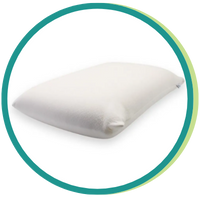
Classic Viscoelastic Orthopedic Pillow

Comfort Orthia Green Orthopedic Pillow
Medicinal orthopedic mattresses also help to provide deep, restful sleep by ensuring adequate support for the body.
In addition, soothing teas can be an excellent complement to promote relaxation. Learn more about the benefits of natural soothing teas and how they can contribute to a more peaceful sleep.
Conclusion
Sleep is a vital process involving different stages, each with specific functions for physical and mental health. Understanding how sleep stages work highlights the importance of restful nights.
By adopting good sleep hygiene practices and investing in supportive solutions like orthopedic mattresses, ergonomic pillows, and relaxing teas, you can create a more restorative sleep environment and wake up with renewed energy.
Good sleep is not just about quantity, but above all about quality. Valuing each sleep stage means valuing your health and well-being.
No Comments