



Sciatic Nerve Pain: Symptoms, Causes, and How to Relieve It
Sciatic nerve pain is one of the most common causes of lower back discomfort and pain radiating to the legs, affecting people of different ages and lifestyles. Characterized by pain that follows the path of the sciatic nerve—the largest nerve in the human body—it can significantly compromise quality of life, limiting mobility and affecting sleep. Recognizing the symptoms and adopting effective strategies to relieve sciatic nerve pain is essential for ensuring well-being and daily autonomy.
What Is Sciatic Nerve Pain?
Sciatic nerve pain results from compression, inflammation, or irritation of the sciatic nerve, which innervates the entire lumbar, gluteal, posterior thigh, leg, and part of the foot region. This condition is not a disease in itself, but a set of symptoms caused by different factors, such as herniated disc, lumbar canal stenosis, injuries, or even the natural wear and tear of the spinal structures.
According to studies carried out in Portugal, sciatic nerve pain—or lumbosciatica—can affect up to 43% of the population at some point in their lives. This high prevalence makes it one of the main causes of work absenteeism and the search for medical care in primary health services.
Sciatic Nerve Pain: Most Common Symptoms
Symptoms of sciatic nerve pain vary from person to person, but classic signs include:
- Lower back pain with radiation: The pain starts in the lower back or buttocks and radiates down the leg, usually following the path of the sciatic nerve.
- Pain in the left or right leg: The pain can affect one or both legs but is more common on just one side.
- Tingling, numbness, or muscle weakness: These symptoms can affect the entire leg down to the foot.
- Difficulty sitting or standing: Discomfort tends to worsen when staying in certain positions for long periods.
- Variable intensity: The pain can range from mild to disabling and may worsen with sudden movements, coughing, or sneezing.
- These symptoms are crucial for diagnosing and differentiating sciatic nerve pain from other causes of lower back pain.
These symptoms are crucial for diagnosing and differentiating sciatic nerve pain from other causes of lower back pain.
What Are the Main Causes of Sciatic Nerve Pain?
Sciatic nerve pain can be triggered by various situations, with the most common being:
- Lumbar herniated disc: The most common cause, resulting from the displacement of the intervertebral disc nucleus, which compresses the sciatic nerve.
- Lumbar canal stenosis: Narrowing of the spinal canal can lead to nerve compression.
- Joint wear and degenerative changes: Natural aging of the spinal joints can affect the nerve roots.
- Injuries and trauma: Falls, accidents, or excessive strain can trigger symptoms.
- Pregnancy: Increased abdominal pressure can cause compression of the sciatic nerve.
- Poor posture and sedentary lifestyle: Spending many hours sitting, poor posture, and lack of exercise increase the risk.
Sciatic Nerve Pain: Immediate Relief and Strategies Without Medication
While medical treatment may be necessary in many cases, there are several ways to achieve immediate relief from sciatic nerve pain and reduce daily discomfort. The main recommendations include:
1. Applying Local Heat

Lumbar Heating Pad
Using a lumbar heating pad on the lower back helps relax muscles, improve blood circulation, and relieve pain.
2. Use of Orthopedic Supports
Wearing sacrolumbar belts and abdominal neoprene belts offers distinct benefits for postural health and relieving discomfort in the lumbar and abdominal regions.
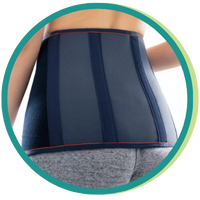
Neoprene Sacrolumbar Band
The sacrolumbar belt is specially designed to support the lower back, including the lumbar and sacral areas. Its main purpose is to stabilize the spine, reduce pressure on the nerve roots, and relieve lower back pain, making it ideal for those who do physical work or stand for long periods. It also helps correct posture during repetitive movements or when lifting weights.
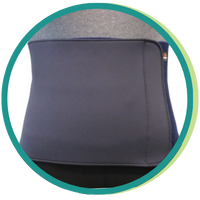
Neoprene Abdominal Band
The abdominal neoprene belt is designed to support the abdominal area. It provides gentle compression and support, improving posture by keeping the abdomen firmer during daily activities. Its use is especially recommended after abdominal surgery, postpartum, or in situations where extra protection and support for the abdominal wall are needed.
3. Specific Stretches
Performing stretches for sciatic nerve pain is one of the most effective strategies for both prevention and relief. Exercises for lumbar mobility, gluteal, piriformis, and hamstring stretches can be done at home, always with professional guidance. Stretching in the morning and at the end of the day helps reduce stiffness and prevent relapses.
4. Sleeping in Proper Positions
Sleeping on your side with a pillow between your knees, or on your back with support under your knees, can relieve pressure on the sciatic nerve and ensure more restful sleep. A medium-to-firm mattress is preferable to keep the spine properly aligned.
5. Avoiding Risky Movements
It is essential to avoid lifting heavy weights, making sudden movements, or staying seated for long periods without breaks. Changing positions frequently throughout the day helps reduce pressure on the spine and sciatic nerve.
Medical Treatments and Other Strategies to Relieve Sciatic Nerve Pain
When conservative measures are not enough, treatment for sciatic nerve pain may include:
- Medication: Analgesics, anti-inflammatories, muscle relaxants, and in selected cases, corticosteroids prescribed by a doctor.
- Physical therapy: Sessions focusing on muscle strengthening, postural exercises, and functional re-education.
- Therapeutic massages: Can help relax muscles and relieve pain.
- Injections: Medication administered directly to the inflamed area, recommended for persistent pain.
- Surgery: Rarely necessary, reserved for severe cases such as loss of strength, significant neurological changes, or when symptoms do not improve with conservative treatment.
Medical supervision and further diagnostic tests are fundamental to ensure a correct diagnosis and the best approach.
How to Prevent Sciatic Nerve Pain?
Prevention is always preferable to treatment. To avoid the onset of sciatic nerve pain or minimize the risk of recurrence, it is recommended to:
- Maintain a healthy weight and practice regular exercise.
- Strengthen the abdominal and lower back muscles.
- Avoid a sedentary lifestyle and take frequent breaks during the day.
- Pay attention to posture when sitting, lifting, and sleeping.
- Wear comfortable shoes suitable for your activities.
These strategies not only reduce the risk of sciatic nerve pain but also promote a healthier, more functional spine.
How to Relieve Sciatic Nerve Pain: Strategies for Immediate Relief
Finding effective ways to relieve sciatic nerve pain is a priority for those suffering from this condition, especially when discomfort limits daily activities. Although the definitive treatment always depends on the cause, there are several measures that can provide immediate relief, quickly reducing suffering.
Among immediate relief strategies, applying local heat—such as a heating pad on the lower back—helps relax the muscles and reduces pressure on the nerve. Adopting correct postures, avoiding sudden movements, and gently stretching the lumbar and gluteal areas also contribute to relieving sciatic nerve pain in just a few minutes.
Additionally, using specific orthopedic supports can offer spinal support, reduce pain, and provide extra comfort. For those looking for quick solutions, these approaches provide immediate relief, making it easier to move and improving quality of life until the underlying problem is resolved. In cases of intense or persistent pain, it is always recommended to consult a healthcare professional.
Sciatic nerve pain can be disabling, but there are many effective ways to relieve and control symptoms, from postural strategies, stretches, and orthopedic products to more advanced medical treatments. Early recognition of symptoms and healthy habits are essential for ensuring well-being and quality of life.
Discover at Loja Ortopédica products that can help relieve sciatic nerve pain, such as a lumbar heating pad, sacrolumbar belt, and abdominal neoprene belt, and take the first step towards regaining comfort and mobility.
No Comments