



Diabetic Foot Treatment: Essential Care to Prevent Complications
Diabetic foot treatment is one of the most important steps in diabetes management, as small wounds or changes in the feet can quickly develop into serious complications if not properly cared for. The condition, known as diabetic foot, occurs due to diabetic neuropathy and poor blood circulation, which make the feet more vulnerable to infections, ulcers, and slow-healing wounds.
In this article, we explain how to identify symptoms, the recommended daily care routine, the main treatment options, and how specialized products can help maintain foot health.
Pathophysiology of Diabetic Foot
The pathophysiology of diabetic foot is linked to two main factors: diabetic neuropathy and peripheral artery disease.
Diabetic neuropathy occurs when excess blood glucose damages the nerves, affecting foot sensitivity. Over time, a person may lose the ability to feel pain, heat, or cold, increasing the risk of unnoticed injuries. Peripheral artery disease, on the other hand, reduces blood flow, compromising oxygen supply and making it harder for wounds to heal.
These physiological changes create a favorable environment for infections and ulcers that, in severe cases, can lead to amputation. Therefore, diabetic foot prevention and treatment should be continuous and multidisciplinary, involving doctors, nurses, and podiatrists.
Diabetic Neuropathy: Symptoms and Impact on the Feet
Symptoms of diabetic neuropathy vary depending on nerve damage severity but often include:
- Numbness or loss of sensation in the feet
- Tingling, burning, or pain
- Dry, cracked skin
- Changes in foot shape (deformities)
- Wounds appearing without apparent cause
Loss of sensitivity is particularly dangerous, as it prevents the detection of small injuries such as blisters, cuts, or burns. If left untreated, these wounds can easily become infected and turn into deep ulcers. For that reason, it’s crucial to adopt a daily routine of foot inspection and care, especially for people who have lived with diabetes for several years.
Foot Care Organization and Prevention
Proper organization of diabetic foot prevention and treatment is essential to avoid serious complications. This approach should include regular monitoring, patient education, and the use of appropriate products.
Among the most effective preventive measures are:
- Daily foot inspection – Look for cuts, blisters, redness, or pressure areas.
- Hygiene and hydration – Wash feet daily with warm water and mild soap, drying carefully, especially between the toes. Apply a diabetic foot cream to prevent cracks and keep the skin healthy.
- Choosing proper footwear – Wear comfortable shoes with a wide toe box and no internal seams. Loja Ortopédica offers options such as diabetic shoes for women and men, designed to ensure comfort and prevent injuries.
- Specialized socks – Choose diabetic foot socks made with Crabyon fiber, which have antibacterial properties and help protect the skin.
- Avoid walking barefoot – Even indoors, the risk of small injuries is high.
- Proper nail trimming – Cut nails carefully to avoid injuring the cuticles or nail corners.
In addition, regular medical appointments are indispensable. A foot examination should be carried out at least once a year, or more frequently for patients with a history of ulcers or amputations.
Diabetic Foot: Symptoms and Warning Signs
Recognizing diabetic foot symptoms is essential to act early and prevent disease progression. Common warning signs include:
- Swelling or localized warmth
- Changes in skin color (redness, paleness, or darkening)
- Wounds that don’t heal after a few days
- Foul odor or discharge
- Intense pain, even without visible wounds
If any of these symptoms appear, it’s important to seek medical help immediately. Diabetic foot treatment should begin as soon as possible to prevent infection spread and tissue damage.
Diabetic Foot Infection Treatment
The treatment for an infected diabetic foot depends on the severity and extent of the infection. It usually includes:
- Cleaning and debridement – Removing dead or infected tissue to allow proper healing.
- Antibiotic therapy – Administration of oral or intravenous antibiotics depending on infection severity.
- Specialized dressings – Use of hydrocolloid dressings, foams, or specific ointments to promote tissue regeneration and moisture control.
- Offloading pressure – Reducing weight on the injured area using orthopedic devices or therapeutic footwear.
- Strict blood sugar control – Maintaining stable glucose levels is essential for successful treatment.
In severe cases, hospitalization and surgical intervention may be required to remove necrotic tissue or perform partial amputation. However, most cases can be prevented with consistent care and monitoring.
Complementary Treatment and Rehabilitation Options
In addition to medical treatment, some complementary approaches help improve circulation and sensitivity in the feet, such as:
- Physiotherapy – Enhances mobility, muscle strength, and gait training to prevent new injuries.
- Massages and specific exercises – Stimulate blood flow and relieve stiffness.
- Advanced wound healing therapies – Such as hyperbaric oxygen therapy or growth factor applications.
When combined with standard diabetic foot treatment, these methods contribute to faster and more effective recovery.
Recommended Products for Daily Foot Care
Successful diabetic foot prevention and treatment largely depend on the use of safe, high-quality products. Loja Ortopédica offers a complete line of specialized solutions, including:
Diabetic foot cream – Deeply hydrates and prevents skin dryness.
Crabyon fiber socks – Provide comfort, antibacterial protection, and reduce friction.
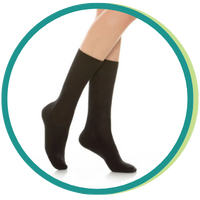
Sock for Diabetic Foot with Crabyon Fiber
Diabetic shoes for women and men – Made from breathable materials and anatomical insoles to distribute pressure and prevent injuries.

Women’s Diabetic Shoes
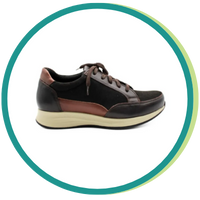
Men’s Diabetic Shoes
Investing in specialized products is an essential step to ensure safety, comfort, and well-being.
Importance of Education and Continuous Follow-up
Managing diabetes and preventing diabetic foot complications require discipline and knowledge. Patient and family education play a key role in this process. Learning to recognize early signs, adopting healthy habits, and choosing the right footwear are simple actions that can save lives.
Multidisciplinary follow-up — involving a doctor, nurse, podiatrist, and nutritionist — is the best way to ensure effective and personalized diabetic foot treatment.
Taking care of your feet is taking care of your quality of life. Small actions, like moisturizing the skin, checking your feet daily, and wearing proper shoes, make all the difference in preventing complications.
To keep your feet healthy and protected, explore the solutions available at Loja Ortopédica, where you’ll find creams, socks, and shoes specially designed for people living with diabetes.
No Comments