



Umbilical Hernia Treatment: Recovery Options
An umbilical hernia is a more common condition than many people think and can occur in both babies and adults. Although it is not usually serious, it is important to recognise the signs and understand the available treatment options to ensure comfort and safety in daily life.
In this article, we explain everything you need to know in a simple way — from umbilical hernia symptoms to the most suitable solutions for each situation.
What is an umbilical hernia?
An umbilical hernia occurs when a small part of the intestine or abdominal tissue pushes through a weakened area of the abdominal wall near the belly button. This bulge may become more visible when coughing, laughing, or making physical effort.
If you search for umbilical hernia photos, you will notice that the most common appearance is a small swelling around the navel that may increase or decrease throughout the day.
Umbilical hernia: most common symptoms
An umbilical hernia does not always cause pain, but there are some signs you should pay attention to:
- Bulging around the belly button;
- Mild discomfort or pain, especially during effort;
- Feeling of pressure in the abdominal area;
- Swelling that disappears when lying down.
In rarer cases, severe pain and hardening of the area may occur — in these situations, it is important to seek medical attention quickly.
Umbilical hernia in adults and babies
Umbilical hernia in adults
In adults, an umbilical hernia may develop due to factors such as physical strain, excess weight, pregnancy, or muscle weakness. In these cases, it usually does not disappear on its own.
Umbilical hernia in babies
In babies, an umbilical hernia is very common and usually resolves naturally by the age of 2 to 3 years, without the need for intervention.
To help provide comfort and support to the area, using a suitable support children’s umbilical belt may be beneficial:

Children’s Umbilical Belt OP1160
Umbilical hernia treatment
Treatment for an umbilical hernia depends on age, symptoms, and the size of the hernia.
1. Monitoring (without surgery)
In milder cases, especially in children, the doctor may simply recommend regular monitoring.
2. Using a support belt
An umbilical hernia band is a practical solution to relieve discomfort and support the abdominal area during daily activities.
It is especially useful for:
- Reducing pressure on the hernia;
- Increasing comfort during daily activities;
- Supporting the recovery phase after surgery.

Umbilical Hernia Band with Breathable Fabric
Depending on the affected area and the level of support needed, there are also complementary solutions that may help improve recovery and daily comfort.
Abdominal support belt: greater support and stability
The 3-Band Abdominal Band is recommended for those looking for firmer and more even abdominal compression, especially in situations involving muscle weakness, physical effort, or post-surgical recovery.
Benefits:
- Helps reduce pressure and abdominal discomfort;
- Provides greater stability to the abdominal wall;
- Can be useful after umbilical hernia surgery;
- Adjustable and comfortable design for everyday use.
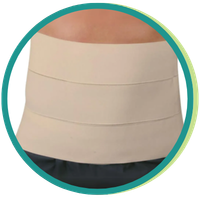
3 Band 24cm Abdominal Band
Thoracic support belt: added comfort after surgery
After umbilical hernia surgery, it is common to feel discomfort when coughing, breathing deeply, or making small movements. The 2-Band Chest Strap may help provide additional support to the upper torso area, promoting greater comfort during recovery.
Benefits:
- Helps stabilise the thoracic and upper abdominal area;
- May reduce discomfort during movement and effort;
- Provides a feeling of security during post-operative recovery;
- Comfortable and adjustable material for a better fit.
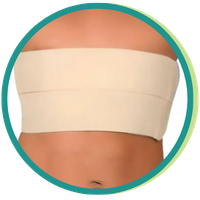
2 Band Chest Strap Height 16cm
3. Umbilical hernia surgery
When an umbilical hernia causes pain, increases in size, or does not disappear, surgery may be recommended.
Umbilical hernia surgery is a relatively simple procedure that involves repositioning the tissue and reinforcing the abdominal wall.
There are two main types:
- Open surgery;
- Laparoscopic surgery (less invasive).
The choice depends on each individual case and should always be evaluated by a healthcare professional.
Umbilical hernia operation: what is recovery like?
Recovery after an umbilical hernia operation is usually quick, but it requires some care:
- Avoid physical effort during the first few weeks;
- Keep the area clean and dry;
- Use a support belt;
- Follow medical instructions carefully.
One very common question is: how should you sleep after umbilical hernia surgery?
Tips for sleeping after umbilical hernia surgery
- Sleep on your back with a pillow under your knees;
- Avoid sleeping on your side during the first few days;
- Get up slowly to avoid abdominal pressure.
Small precautions can make a big difference in recovery and comfort.
When should you seek medical help?
You should consult a healthcare professional if you notice:
- Rapid enlargement of the hernia;
- Severe or persistent pain;
- Redness or hardening of the area;
- Nausea or vomiting.
These signs may indicate complications that require medical evaluation.
Taking care of yourself with comfort and confidence
An umbilical hernia can be uncomfortable, but with the right support and appropriate solutions, it is possible to maintain a good quality of life.
Whether through a conservative approach or umbilical hernia surgery, the most important thing is to listen to your body and act calmly and safely.
At Loja Ortopédica, you will find solutions designed for your well-being — with comfortable, discreet products adapted to your needs.
If you have any questions, we are here to help you find the best solution for you.
No Comments