



How to Relieve Sacroiliac Pain: Causes, Symptoms and Strategies
Pain in the sacroiliac joint is one of the most common musculoskeletal complaints in adults, especially in sedentary people, women during pregnancy and individuals with overload in the lower back region. Many people want to know how to relieve sacroiliac pain safely and effectively, and the good news is that, in most cases, it is possible to reduce discomfort with some daily habit adjustments, specific exercises and appropriate orthopaedic products.
What is sacroiliac pain?
Sacroiliac pain occurs in the joint that connects the spine to the iliac bone of the pelvis. This joint plays an essential role in trunk stability and in transferring load between the upper and lower parts of the body.
When there is inflammation, misalignment or overload, a condition known as sacroiliitis develops, which can cause intense pain and difficulty performing simple movements. For this reason, understanding the origin of the pain is the first step in learning how to relieve sacroiliac pain effectively.
Sacroiliac pain symptoms: how to identify them
Symptoms vary depending on the cause, but the most common include:
- pain located in the lower back or groin
- discomfort that radiates to the buttocks and thighs
- pain that worsens when climbing stairs, sitting for long periods or lifting weight
- a feeling of stiffness in the lower back
- difficulty remaining in the same position for long periods
Some of these signs can be confused with sciatica, but sacroiliac pain has specific patterns that a healthcare professional can identify.
Does sacroiliac pain have a cure?
In most cases, yes. The sacroiliac joint responds well to:
- appropriate exercises
- postural correction
- muscle strengthening
- physiotherapy
- support with orthopaedic products
When treated correctly, inflammation decreases and movement becomes comfortable again. Therefore, learning how to relieve sacroiliac pain is essential to restore quality of life.
Main causes of pain in the sacroiliac joint
Inflammation can result from different factors, such as:
Prolonged sedentary behaviour
Spending many hours sitting increases joint stiffness.
Excessive load or repetitive movements
Activities such as running, carrying weight or intense training can cause overload.
Pregnancy
Sacroiliac pain during pregnancy is common due to weight gain, changes in the centre of gravity and increased ligament flexibility.
Postural changes
Spinal misalignment or muscle weakness contribute to the onset of pain.
Inflammatory diseases
In rarer situations, rheumatic conditions may be associated.
How to relieve sacroiliac pain in daily life
Changing small habits has a significant impact on pain reduction. Some recommendations include:
Adjust posture
Sitting with lumbar support and avoiding crossing the legs reduces pressure on the joint.
Avoid staying in the same position for too long
Alternating between sitting and standing every 45 to 60 minutes improves circulation and reduces stiffness.
Sleeping with support between the knees
This helps maintain pelvic alignment and reduce tension on the sacroiliac joint. Using a leg pillow, specifically designed for this purpose, contributes to a more stable and comfortable sleeping position, promoting more effective and less painful rest.
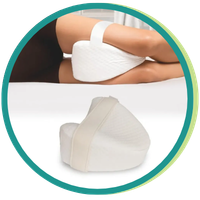
Leg Pillow
Apply local heat
Warm compresses relieve stiffness and promote muscle relaxation.
These simple strategies are an important complement to exercises.
Using an appropriate belt
In many cases, a sacroiliac belt can be an important day-to-day aid because it provides greater pelvic stability and reduces small movements that irritate the joint. By improving pelvic alignment and reducing tension on the ligaments in the area, it helps relieve sacroiliac pain and makes activities such as walking, climbing stairs, or standing for long periods more comfortable. A practical option is to use a lumbar support belt for added support and stabilization.
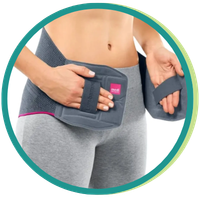
Lumbamed Basic Lumbar Support Belt
Exercises for sacroiliac pain: movements that help
Regular practice of specific exercises is one of the most effective ways to reduce inflammation and restore mobility. Some of the most recommended exercises for sacroiliac pain include:
1. Pelvic mobilisation
Lying down or sitting, gentle pelvic tilt movements help activate deep muscles.
2. Glute stretch
Shortened glute muscles increase joint compression.
3. Piriformis mobilisation
The piriformis is a small muscle located in the buttock area, responsible for assisting hip movement and stability. When it becomes tight, it can increase pressure on the sacroiliac joint and intensify pain.
4. Abdominal and lower back strengthening
A strong core stabilises the pelvis and reduces joint overload.
5. Hip opening exercises
External hip rotation movements promote quick relief.
Practising these movements daily is one of the best ways to understand how to relieve sacroiliac pain in a sustainable manner. Whenever there is intense pain or significant limitation, physiotherapy guidance should be sought.
Sacroiliac pain during pregnancy: important care
During pregnancy, the sacroiliac joint naturally becomes more unstable. This happens because the body produces relaxin, a hormone that increases ligament flexibility to prepare for childbirth.
To reduce pain during this phase, the following is recommended:
- sleeping with a pillow between the knees
- avoiding long walks on uneven surfaces
- performing gentle mobility exercises
- using pelvic support belts when recommended by a healthcare professional
Knowing how to relieve sacroiliac pain during pregnancy is essential to ensure comfort and well-being throughout the months.
When to seek specialised help
If pain persists for more than two weeks, limits daily activities or radiates intensely to the leg, a physiotherapist or specialist doctor should be consulted. In some cases, tests may be required to confirm the exact cause of the discomfort.
Early intervention greatly improves prognosis and reduces the risk of chronic pain.
Taking care of the sacroiliac joint is an investment in quality of life
Learning how to relieve sacroiliac pain allows you to regain mobility, reduce discomfort and prevent future limitations. The combination of exercises, good posture and support with appropriate products makes a significant difference to the health of the spine and pelvis.
Loja Ortopédica provides practical and safe solutions to help each person move better, live with less pain and preserve independence throughout life.
No Comments