



Elbow Bursitis: Symptoms, Treatment and Prevention
Elbow bursitis is an inflammation of the bursa located at the back of the elbow, causing pain, swelling and limited movement. It is a common condition in adults, especially in those who perform repetitive movements, lean their elbow on hard surfaces or experience small daily injuries. Understanding how this inflammation develops, how treatment works and when surgery is necessary is essential to manage discomfort and prevent recurrence.
What Is Elbow Bursitis?
Bursitis is the inflammation of a small fluid-filled sac called a bursa, which acts as a cushion between bones, tendons and muscles. In the elbow, the olecranon bursa is the most commonly affected, which is why the term olecranon bursitis is frequently used.
When inflammation occurs, the fluid inside the bursa increases, causing pain, warmth and a characteristic swelling on the tip of the elbow.
Most Common Causes of Elbow Bursitis
Several factors can trigger this inflammation, including:
Trauma or falls: Even small impacts can irritate the bursa, leading to an accumulation of inflammatory fluid.
Repetitive movements: Workers such as builders, electricians, mechanics or athletes who use their arms intensively often develop elbow bursitis due to repeated strain.
Prolonged pressure on hard surfaces: One of the most frequent causes among individuals who spend long hours working at a desk.
Infections: Although less common, the bursa can become inflamed due to a bacterial infection.
Inflammatory diseases: Rheumatoid arthritis, gout and other conditions may be associated with bursitis.
Elbow Bursitis Symptoms: How to Identify It
Symptoms can range from mild to severe, and the most common include:
- Localised pain at the back of the elbow
- Noticeable, rounded swelling
- Warmth in the affected area
- Difficulty resting the arm on surfaces
- Limited movement when inflammation is more intense
- Redness, especially if an infection is present
Swelling is one of the most characteristic signs and is often the first reason why someone seeks medical attention.
Elbow Bursitis Treatment: What Works?
Treatment depends on the cause and level of inflammation. In most cases, conservative measures are enough.
1. Rest and protection
Avoiding repetitive movements and prolonged elbow pressure helps reduce irritation of the bursa.
2. Ice application
Cold reduces inflammation and relieves pain. It should be applied for 15–20 minutes several times a day. For a practical, instant solution, an instant ice pack can be used.

Instant Ice Pack
3. Use of orthoses and elbow supports
To support the elbow during bursitis recovery, there are two options with different functions:
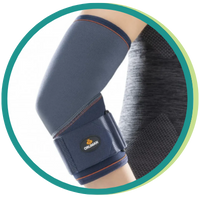
Epicondylitis Neoprene Elbow Pad
Ideal for mild to moderate bursitis or localised pain. It provides targeted compression thanks to a removable pad that applies selective pressure only on the inflamed area, without compressing the entire joint. It is less bulky and allows greater freedom of movement, making it useful for daily activities or light training. Recommended in early-stage bursitis, when swelling is not severe, or when pain is more focal.

Neoprene Elbow Othosis
More suitable for moderate to severe bursitis, especially when there is swelling or painful movement. It fully encloses the elbow, offering global support, uniform compression and greater stability. A safer option when the elbow needs rest and movement control, including post-trauma, post-operative recovery or when extra protection is required during physical activity.
4. Anti-inflammatory medication
Medication prescribed by a healthcare professional helps control pain and swelling.
5. Bursa drainage
In cases of significant fluid accumulation, aspiration with a needle may be necessary.
6. Physiotherapy
Mobilisation techniques, specific exercises and manual therapy help recovery and prevent recurrence.
How to Treat Elbow Bursitis: Essential Daily Measures
In addition to clinical treatment, some daily habits make a big difference:
- Avoid leaning the elbow directly on hard surfaces
- Use cushioning pads on desks and tables
- Maintain proper posture at work
- Take breaks for stretching and mobility
- Use joint protection during physical activities
These measures are important to reduce friction on the bursa and speed up recovery.
When Is Elbow Bursitis Surgery Necessary?
Although surgery is not the most common treatment, it may be recommended in specific situations:
- Persistent inflammation that does not improve with conservative treatment
- Frequent recurrence of bursitis
- Severe infection in the bursa (septic bursitis)
- Constant fluid accumulation that limits movement
The surgical procedure usually consists of removing the inflamed bursa. After healing, a new bursa naturally forms, allowing the joint to return to normal function.
How to Treat Recurrent Elbow Bursitis
For those who experience repeated episodes, the focus should be on:
Identifying the cause: Assessing daily habits, work posture and activities helps identify what is irritating the joint.
Strengthening and flexibility: Strengthening arm and shoulder muscles reduces overload on the bursa.
Regular protection: Elbow sleeves are recommended to avoid friction and impact, especially during upper-limb-intensive activities.
Workplace adjustments: Changing desk height, using ergonomic support or adjusting writing position can prevent new episodes.
Prevention: How to Avoid New Inflammations
Prevention is essential, especially in people who have already experienced bursitis. The best strategies include:
- Adjust repetitive tasks
- Use proper equipment
- Take regular breaks at work
- Avoid lifting heavy objects incorrectly
- Perform light exercises to maintain mobility
- Use orthopedic supports when needed
The use of compression and stabilisation products, such as neoprene orthoses, is one of the most effective ways to reduce the risk of inflammation.
Final Considerations
Elbow bursitis is an inflammation that can significantly affect comfort and arm mobility, but in most cases it improves with simple measures such as rest, ice, anti-inflammatories and joint protection. When necessary, professional guidance helps identify the cause, adjust habits and prevent recurrence. In persistent or infected cases, surgery may be an effective solution.
Supports such as the Neoprene Elbow Orthosis and the Neoprene Elbow Sleeve for Epicondylitis provide important assistance during treatment and daily activities, helping reduce pain, friction and the risk of new inflammation.
With the right care, it is possible to recover well-being, return to daily activities safely and protect the joint in the long term.
No Comments