



Acupressure: Benefits and How to Practice at Home
What is Acupressure?
Acupressure is an ancient therapeutic technique of Eastern origin that uses pressure on specific points of the body to promote physical and emotional balance. Considered a practical alternative to acupuncture, it can be performed at home without needles or constant clinical supervision.
Its benefits range from relieving headaches and muscle tension to improving sleep quality and reducing anxiety. In this article, we explain what acupressure is, how it works, when it can be applied, and which acupressure tools make the practice easier, such as the acupressure mat.
Acupressure: How It Works
Acupressure is based on the same principles as acupuncture: stimulating the body’s energy points, known as meridians. The difference lies in the method. Instead of needles, acupressure relies on finger, hand, or accessory pressure.
According to experts in complementary therapies, this practice helps unblock vital energy (known as Qi or Chi) and improve the body’s natural functioning.
Acupressure at Home: Basic Techniques
Practicing acupressure at home is simple and does not require advanced knowledge. Some general guidelines include:
- Locate pressure points – specific points are connected to different organs and functions in the body.
- Apply gentle pressure – use fingers, hands, or acupressure tools for about 30 seconds to 2 minutes.
- Breathe deeply – combining the practice with calm breathing enhances the benefits.
- Be consistent – short, frequent sessions are more effective than occasional practice.
Benefits of Acupressure
Acupressure offers far more than pain relief. This ancient technique improves blood and lymphatic circulation, helps eliminate toxins, and provides a renewed sense of vitality. It also combats symptoms of chronic fatigue and muscle discomfort linked to sedentary lifestyles or intense physical effort.
Another important aspect is its positive influence on the digestive system, which can ease heartburn, nausea, and stomach discomfort. In addition, it stimulates the natural release of endorphins—the “happiness hormones”—boosting mood and daily energy levels.
Key benefits of regular practice include:
- Headache and migraine relief: pressing specific points on the forehead and temples may reduce the frequency and intensity of attacks.
- Muscle tension reduction: effective for relieving neck, back, and shoulder pain, especially in people with prolonged postures.
- Anxiety and stress relief: stimulating relaxation points promotes calm and emotional balance.
- Immune system support: certain points optimize energy flow, reducing fatigue and cold symptoms.
- Improved sleep quality: promotes deep relaxation, essential for restorative nights.
The Role of the Acupressure Mat
The acupressure mat is one of the most popular acupressure tools for home use. Covered with small spike-like stimulators, it activates hundreds of points on the body simultaneously.
Benefits include:
- Stimulating blood circulation.
- Deep muscle relaxation.
- Relieving fatigue after long periods of sitting or standing.

Acupressure Mat
Other Acupressure Tools for Home Use
In addition to the mat, other acupressure tools can enhance your practice:
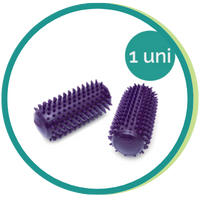
Spike Roller for Rehabilitation
Excellent for targeted massages on the back, legs, and arms, helping release muscle tightness.

Head Massage Roller
Ideal for relieving headaches and stimulating scalp circulation.
These tools make acupressure even more accessible, practical, and effective, allowing you to create a consistent self-care routine at home.
Acupressure vs. Acupuncture: Key Differences
Although acupressure and acupuncture share the same Traditional Chinese Medicine philosophy and aim to restore the body’s energy balance, they differ significantly.
- Acupuncture: involves the use of very fine needles applied to specific points of the body. It requires professional training, a clinical setting, and often medical supervision. It is widely recognized as an effective complementary therapy for chronic pain, respiratory issues, digestive disorders, and emotional conditions such as anxiety and depression. However, because it involves needles, it may not be suitable for people uncomfortable with invasive procedures.
- Acupressure: provides a non-invasive alternative. Instead of needles, it uses manual pressure or acupressure tools such as mats and rollers. This makes it more accessible and practical, as it can be performed at home safely, pain-free, and without constant professional oversight.
Thus, acupressure is a simple and safe option for those who want to enjoy the benefits of Traditional Chinese Medicine in their daily self-care routines.
Precautions When Practicing Acupressure
While generally safe, certain precautions are recommended:
- Pregnant women should consult a healthcare professional before practicing.
- Avoid applying pressure to areas with wounds or inflammation.
- People with circulation problems or chronic illnesses should seek medical advice.
Conclusion
Acupressure is a simple, practical, and effective technique to relieve pain, reduce tension, and promote overall well-being. Unlike acupuncture, it can be performed at home safely and without needles.
With the help of acupressure tools such as mats, spike rollers, and head massage rollers, it becomes even easier to integrate this practice into daily life.
Spending just a few minutes a day on acupressure may be the key to improving sleep, restoring energy, and achieving greater physical and emotional balance.
No Comments