



Lipedema Treatment: How to Manage the Symptoms
Living with lipedema can mean dealing daily with pain, a feeling of heaviness, swelling and discomfort in the legs, often without immediately understanding the cause of these symptoms. As it is still a relatively little-known condition, it is commonly mistaken for excess weight or fluid retention, which can delay diagnosis and appropriate follow-up care.
At Loja Ortopédica®, we know that understanding the condition better is an important step towards finding solutions that can make everyday life more comfortable. In this article, we explain what lipedema is, how to identify its main signs, which treatments are available and how medical compression can complement the care recommended by specialist doctors and therapists.
What is lipedema?
To understand what lipedema is, it is important to distinguish it from common weight gain and fluid retention.
Lipedema is a progressive disorder of the adipose tissue that predominantly affects women. Fat accumulation usually occurs symmetrically, meaning on both sides of the body, and may make the legs and hips appear disproportionate in relation to the upper body.
What is the difference between lipedema and lymphoedema?
Lipedema should not be confused with lymphoedema. Although both conditions can cause increased volume and discomfort in the limbs, they have different characteristics and require professional assessment.
In simple terms, the main differences are:
▪ In lipedema, the increase in volume is mainly related to an abnormal distribution of fat;
▪ In lymphoedema, swelling results mainly from the accumulation of lymphatic fluid;
▪ Lipedema usually affects both sides of the body in a similar way;
▪ Lymphoedema may be asymmetrical and affect only one leg or one arm;
▪ Lipedema often causes pain and bruising;
▪ In lymphoedema, the tissue may gradually become firmer and thicker.
Although they are different conditions, in more advanced stages lipedema may affect the lymphatic system and lead to a mixed condition known as lipo-lymphoedema.
Diagnosis should be carried out by a healthcare professional, as there are other conditions that can also cause increased volume, swelling or pain in the limbs.
Lipedema: how can it be identified?
One of the most common searches made by people who suspect they may have this condition is “how to identify lipedema”. However, there is no single test that can be carried out at home to confirm the diagnosis.
Assessment is usually clinical and takes into account the distribution of fat, the symptoms experienced, the person’s medical history and the observation of the affected limbs.
Some symptoms of lipedema include:
▪ Symmetrical increase in volume in the legs or arms;
▪ Disproportion between the upper and lower parts of the body;
▪ Fat accumulation from the hips down to the ankles;
▪ Feet generally unaffected by fat accumulation;
▪ Pain or tenderness to the touch;
▪ A feeling of heaviness in the legs;
▪ Easy bruising;
▪ Swelling that tends to worsen throughout the day;
▪ Difficulty losing volume in the affected areas;
▪ Discomfort during long periods of standing or sitting.
What is the best treatment for lipedema?
There is no single solution that is suitable for everyone. Lipedema treatment should be adapted to the severity of the condition, the symptoms, the person’s lifestyle and medical guidance.
A lipedema treatment plan may usually include:
▪ Medical compression therapy;
▪ Manual lymphatic drainage;
▪ Low- to moderate-impact physical exercise;
▪ Dietary and lifestyle care;
▪ Specialist medical follow-up;
▪ Lipedema surgery in selected cases;
▪ The use of suitable compression stockings or tights.
Medical compression is one of the most important measures for managing symptoms on a daily basis. When correctly prescribed, it can help provide greater comfort, a feeling of support and relief from heaviness in the legs.
The importance of compression in lipedema treatment
Compression stockings for lipedema are designed to apply controlled pressure to the legs, helping to support the tissues and improve comfort throughout the day.
In the case of lipedema, the choice of compression garment should take into account not only the compression level, but also comfort, anatomical fit, ease of use and skin tolerance. As many people with lipedema have increased sensitivity, it is important to choose a comfortable and stable garment that has been specifically designed for this condition.
This is where the Juzo Sensation Fit Lipedema Compression Stocking Ref. 3911 stands out.
Juzo Sensation Fit Lipedema Compression Stocking: developed for lipedema treatment
The Juzo Sensation Fit Lipedema Compression Stocking has been specially developed to meet the needs of people with lipedema, combining high-quality medical compression with innovative honeycomb knit technology. The use of compression stockings for lipedema is recommended by specialist doctors and therapists as a complement to treatment and may be suitable during different stages of daily care.
Honeycomb knit technology: how does it work?
The key feature of the Juzo Sensation Fit Lipedema Compression Stocking is its honeycomb knit technology.
The surface of the stocking has a three-dimensional structure made up of small honeycomb-shaped cells that interact dynamically with the skin during everyday movement. When walking, climbing stairs or moving the legs, this special texture provides gentle mechanical stimulation to the superficial tissues.
In practice, this creates a continuous micromassage sensation during movement, helping to make the garment more comfortable and pleasant to wear.
After removing the stocking, temporary marks may appear on the skin. These marks are normal and result from the characteristic action of the honeycomb knit. They disappear naturally after a short period of time and demonstrate the stocking’s uniform contact with the skin during use.
Benefits of the Juzo Sensation Fit Lipedema Compression Stocking
The Juzo Sensation Fit has been designed to support the daily routine of people living with lipedema, offering comfort, support and freedom of movement.
Main features and benefits:
▪ Highly effective medical compression;
▪ Gentle compression of 15–20 mmHg;
▪ Honeycomb knit with a continuous micromassage effect;
▪ A feeling of lighter and more comfortable legs;
▪ Excellent anatomical fit;
▪ Comfortable for prolonged daily use;
▪ Compatible with lymphatic drainage treatments;
▪ Suitable for lipedema and lymphoedema;
▪ Can be used for venous conditions;
▪ Elegant and discreet design;
▪ Available with open or closed toe;
▪ Available in three colours: beige, grey and black.
It may also be worn during low- to moderate-impact activities, such as walking, cycling, using an elliptical trainer, Pilates, yoga, light strength training and functional training, always in accordance with the advice of a healthcare professional.
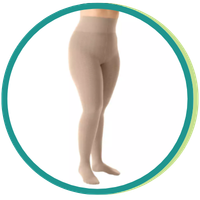
Lipedema CompressionTights Sensation Fit Juzo
To make putting on compression stockings easier, safer and more practical, you can also use special gloves designed for compression garments. These gloves help provide a better grip on the fabric, distribute the stocking evenly over the leg and prevent excessive pulling that could damage the knit.
You can also find gloves for putting on compression stockings at Loja Ortopédica®, helping to make your daily routine easier.
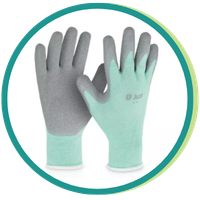
Glove for Donning Compression Socks
Exercise and diet in lipedema treatment
Physical exercise can help improve mobility, strengthen the muscles, manage weight and promote overall well-being. Low-impact activities such as walking, swimming, water aerobics, cycling, Pilates, yoga and adapted strength exercises are generally suitable options, provided they respect each person’s pain levels and physical ability.
Regarding diet, there is no diet capable of curing lipedema or eliminating the affected fat in specific areas. However, a balanced diet may help manage weight, reduce stress on the joints and promote general well-being.
Foods with anti-inflammatory properties should be prioritised, such as vegetables, fruit, fish, olive oil, nuts and whole grains, while reducing the consumption of ultra-processed foods, sugar, excess salt and saturated fats. Whenever possible, dietary choices should be adapted to individual needs with the support of a nutritionist or dietitian.
When may lipedema surgery be considered?
Lipedema surgery may be considered when the symptoms are significant, affect mobility or are not sufficiently controlled through conservative measures.
The most commonly used procedure is a form of liposuction adapted to lipedema, which aims to remove part of the affected adipose tissue while preserving the lymphatic structures.
Surgery is not automatically suitable for everyone. Before proceeding, it is necessary to assess:
▪ The severity and distribution of the lipedema;
▪ The intensity of the pain;
▪ Mobility limitations;
▪ The presence of other medical conditions;
▪ Conservative treatments already carried out;
▪ The risks and benefits of the procedure;
▪ The experience of the surgical team;
▪ The care required after surgery.
Surgery may help some people reduce pain and improve mobility, but the decision should be made together with qualified professionals following an individual assessment.
Lipedema treatment: ongoing care and comfort are essential
Lipedema treatment should be viewed as an ongoing form of care. Although there is no single solution, the combination of medical follow-up, suitable compression, lymphatic drainage, adapted exercise and healthy habits may help manage the symptoms and improve everyday comfort.
The Juzo Sensation Fit Lipedema Compression Stocking is an excellent option for those looking for a garment specifically developed for lipedema, offering medical compression, honeycomb knit technology and a micromassage effect during movement.
At Loja Ortopédica®, you can find this product to support your daily comfort and complement the care recommended by specialist doctors and therapists.
Before starting or changing any treatment for lipedema, always consult a healthcare professional.
No Comments