


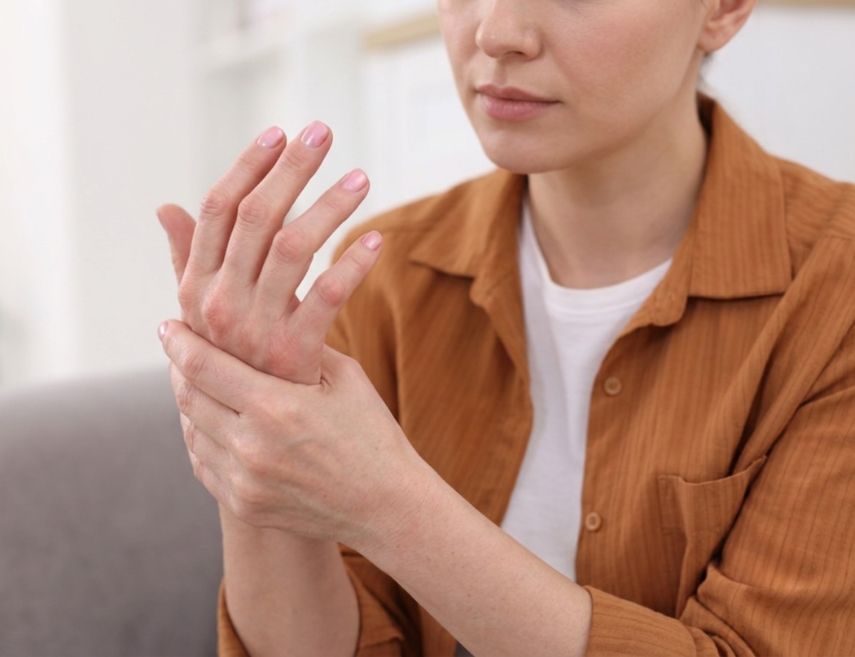
Hand Osteoarthritis: How to Relieve Pain and Stiffness
Hand osteoarthritis is a common condition that can cause pain, stiffness, reduced grip strength and difficulty performing simple everyday tasks, such as opening jars, writing, cooking, fastening buttons or holding objects.
Although there is currently no cure for hand osteoarthritis, several treatments and daily care measures can help relieve symptoms, protect the joints and improve comfort and mobility.
Treatment for hand osteoarthritis should be guided by a healthcare professional, particularly when the pain is persistent, the fingers become deformed or hand mobility is reduced.
In this article, we explain what hand osteoarthritis is, its main symptoms, how it can be treated and which products may help relieve pain and stiffness.
What Is Hand Osteoarthritis?
Hand osteoarthritis is a degenerative joint condition that develops when the cartilage protecting the ends of the bones gradually wears away.
Without sufficient cartilage, the bones may rub more closely against each other, causing pain, inflammation, stiffness and reduced movement.
Hand osteoarthritis can affect different parts of the hand, including:
▪ The finger joints;
▪ The joints close to the fingernails;
▪ The middle finger joints;
▪ The thumb joint;
▪ The base of the thumb.
Over time, hand osteoarthritis may also cause bony nodules, joint deformities and a reduction in grip and pinch strength.
The condition is more common with ageing, but it may also be associated with genetic factors, repetitive hand movements, previous injuries, joint overuse or other rheumatic conditions.
What Are the Symptoms of Hand Osteoarthritis?
The symptoms of hand osteoarthritis may vary from person to person and can affect one or both hands.
The most common symptoms include:
▪ Pain in the finger or thumb joints;
▪ Stiffness, especially in the morning or after resting;
▪ Swollen finger joints;
▪ Local warmth or tenderness;
▪ Difficulty bending or straightening the fingers;
▪ Reduced hand strength;
▪ Difficulty gripping or holding objects;
▪ Clicking, cracking or grinding sensations;
▪ Progressive changes in the shape of the joints.
When these symptoms interfere with daily activities, it is important to seek medical advice to confirm whether they are caused by hand osteoarthritis or another condition.
How Is Hand Osteoarthritis Treated?
The main goals of hand osteoarthritis treatment are to relieve pain, reduce stiffness, maintain mobility and prevent excessive strain on the affected joints.
In most cases, treatment is conservative and may include:
▪ Gentle hand exercises;
▪ Physiotherapy or occupational therapy;
▪ Heat therapy;
▪ Changes to everyday activities;
▪ Therapeutic gloves;
▪ Hand or thumb orthoses;
▪ Pain-relief or anti-inflammatory medication, when prescribed.
Non-drug treatments are often recommended as an important part of managing hand osteoarthritis, either before medication or alongside it.
1. Perform Gentle Exercises for Hand Osteoarthritis
Gentle and controlled exercises can help maintain movement and reduce stiffness caused by hand osteoarthritis.
Exercises should not cause severe pain and should be performed slowly.
Some useful hand exercises include:
▪ Slowly opening and closing the hands;
▪ Touching the tip of each finger with the thumb;
▪ Making gentle circular movements with the fingers;
▪ Stretching the fingers on a flat surface;
▪ Gently squeezing a soft exercise ball, when recommended.
Regular movement can help preserve joint flexibility and hand function. However, if an exercise significantly increases pain, stop and seek advice from a healthcare professional.
Exercise your hands gently with the Silicone Hand Exercise Ball:

Silicone Hand Exercise Ball
2. Use Heat to Relieve Hand Osteoarthritis Stiffness
Stiffness is one of the most common and uncomfortable symptoms of hand osteoarthritis, particularly after waking up or after long periods without movement.
Applying gentle heat may help relax the muscles and surrounding tissues, improve joint movement and reduce the sensation of stiffness.
You can try:
▪ Soaking the hands in warm water;
▪ Applying warm compresses;
▪ Performing gentle exercises after warming the hands;
▪ Using a therapeutic hand bath.
The Reumo Care Hand Treatment 250 ml is a practical option for complementing a hand osteoarthritis care routine.
It combines the soothing effect of warm water with natural extracts of chamomile, Centella asiatica, devil’s claw, red vine and eucalyptus.
Its formula helps relieve the sensation of joint and muscle discomfort, tired hands and stiffness, while promoting relaxation and local well-being.
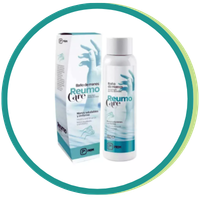
Reumo Care Hand Treatment 250 ml
3. Avoid Repetitive Movements and Joint Strain
Repeated movements and excessive pressure on the joints can aggravate hand osteoarthritis symptoms.
Small changes to everyday activities can help protect the hands and reduce discomfort:
▪ Use utensils with wide or padded handles;
▪ Avoid carrying heavy bags with the fingers;
▪ Use both hands whenever possible;
▪ Distribute weight across the forearms;
▪ Take regular breaks during manual activities;
▪ Alternate tasks to avoid overusing the same joints;
▪ Use jar openers, adapted cutlery and other daily living aids.
These adaptations can make daily tasks easier and help prevent unnecessary strain on joints affected by hand osteoarthritis.
4. Wear Therapeutic Gloves for Hand Osteoarthritis
Therapeutic gloves are commonly used by people with arthritis and hand osteoarthritis.
They may provide a gentle feeling of support and warmth, which some people find helpful during periods of stiffness, sensitivity or discomfort.
Results can vary, and therapeutic gloves should not replace professional medical advice. However, they may be a useful addition to a daily hand care routine.
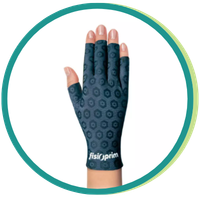
Therapeutic Gloves for Osteoarthritis
5. Consider Hand and Thumb Orthoses
Hand osteoarthritis may affect some joints more severely than others, particularly the joint at the base of the thumb.
In these cases, a hand or thumb orthosis may help:
▪ Stabilise the affected joint;
▪ Limit painful movements;
▪ Reduce pressure during daily activities;
▪ Support the thumb or fingers;
▪ Improve comfort when holding objects.
The most appropriate orthosis will depend on the affected joint, the intensity of the symptoms and the activities performed throughout the day.
A healthcare professional can help identify the most suitable type of support.
6. Physiotherapy and Occupational Therapy
Physiotherapy and occupational therapy can play an important role in hand osteoarthritis treatment.
These professionals can recommend:
▪ Exercises to improve hand movement;
▪ Techniques to protect the joints;
▪ Ways to reduce strain during everyday tasks;
▪ Adapted utensils and support products;
▪ Splints or orthoses;
▪ Strategies to maintain independence.
Professional support is especially important when hand osteoarthritis causes persistent pain, loss of movement or difficulty completing everyday tasks.
7. Medication for Hand Osteoarthritis
A doctor may recommend medication when hand osteoarthritis pain or inflammation is difficult to control with non-drug measures alone.
Depending on the individual case, treatment may include pain-relief medication, topical anti-inflammatory products or other prescribed options.
You should not start medication without professional advice, particularly if you:
▪ Have other health conditions;
▪ Take regular medication;
▪ Experience severe or persistent pain;
▪ Have swelling or sudden changes in the joints.
In advanced cases of hand osteoarthritis, a doctor may also consider injections or surgery when conservative treatment no longer provides sufficient relief.
What Can Make Hand Osteoarthritis Worse?
Certain habits and activities may worsen hand osteoarthritis symptoms, including:
▪ Straining the joints for long periods;
▪ Repeating the same hand movement without breaks;
▪ Carrying heavy objects with the fingers;
▪ Continuing an activity despite significant pain;
▪ Using poorly designed or uncomfortable tools;
▪ Failing to support the hands during demanding tasks.
The aim is not to stop using the hands completely. Movement remains important, but it should be balanced with rest and performed within comfortable limits.
When Should You See a Doctor?
You should seek medical advice if you experience:
▪ Frequent or worsening hand pain;
▪ Persistent stiffness;
▪ Swollen joints;
▪ Reduced grip strength;
▪ Finger or thumb deformities;
▪ Difficulty completing daily tasks;
▪ Pain that does not improve with basic care.
A correct diagnosis is important because symptoms similar to hand osteoarthritis may also be caused by rheumatoid arthritis, tendinitis, carpal tunnel syndrome or other hand conditions.
Can Hand Osteoarthritis Pain Be Relieved?
Yes. Although hand osteoarthritis is a chronic condition, its symptoms can often be managed through appropriate treatment, professional support and changes to daily habits.
Gentle exercises, heat, adapted activities, physiotherapy, therapeutic gloves and orthoses may help reduce pain, maintain mobility and make everyday tasks more comfortable.
At Loja Ortopédica®, you can find a selection of products designed to support people living with hand osteoarthritis, including therapeutic gloves, hand supports, exercise products and comfort solutions for daily care.
No Comments